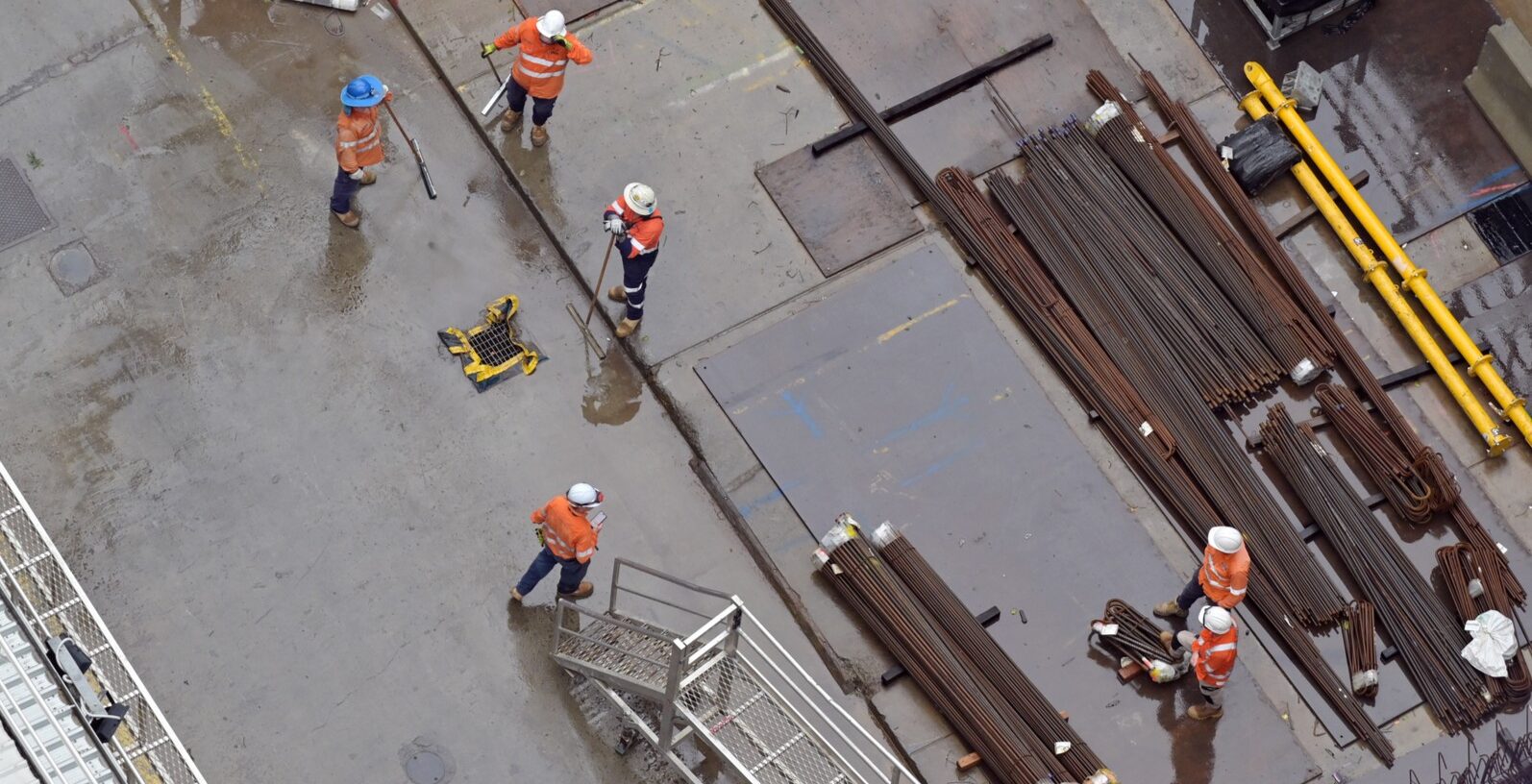
Queensland’s construction sector is facing a sustained labour shortfall and mounting productivity pressures as the Brisbane 2032 Olympic and Paralympic Games accelerate a $120 billion building and infrastructure pipeline, according to our latest report.
From vision to legacy: a game plan for Brisbane 2032 and beyond forecasts a rolling three-year average labour shortage of 27,200 in 2026/27, 43,400 in 2027/28 and 46,000 in 2028/29 – assuming all forecasted projects are funded, sector productivity per worker remains at 2024/25 levels, and no existing workers are lost to retirement, interstate or overseas migration, or sector attrition.
WT Queensland State Lead Jack Shelley said the state’s construction market is entering a period of unprecedented demand that will test both capacity and productivity.
“Brisbane 2032 is not just a global sporting event – it’s a macroeconomic inflection point for Queensland,” Shelley said.
“The volume of concurrent projects is unprecedented. Without early planning and targeted workforce strategies, the risks of delivery delays, cost escalation and lost legacy benefits increase significantly.”
The report also highlights the need for a step change in productivity, noting that some Queensland construction sites are averaging as little as 2.5 productive days per week. It underscores the importance of reform initiatives, including the Queensland Procurement Policy 2026 and the Queensland Productivity Commission’s construction inquiry, to help address systemic inefficiencies.
“Brisbane 2032 is a rare opportunity to raise the bar on how we plan, scope and deliver major venues,” said Tim Bessell, WT’s National Sports & Venues Sector Lead.
“The Games will be judged not just by what’s ready on day one, but by the legacy it leaves behind. That means locking in scope early, designing for long-term use, and embedding value from the outset, so every venue delivers for Queenslanders well beyond 2032.”
The report outlines a range of policy and market-based interventions to address labour and productivity challenges, including early contractor involvement, scenario-based planning, and targeted investment in skills development, modular construction and off-site manufacturing.
“Every dollar spent on Brisbane 2032 should be working twice as hard – once for the Games, and again for Queensland’s long-term growth,” Bessell added.