As the momentum builds toward Brisbane 2032, one of the most important conversations we need to have is about venues – not just how we deliver them, but how we ensure they deliver for Queensland long after the Games are over.
Our recent report, From vision to legacy: a game plan for Brisbane 2032 and beyond, explores this challenge in depth. Sports venues are among the most visible and scrutinised Olympic investments. They’re high-profile, high-cost, and high-risk, which is exactly why they must be designed with legacy in mind from the outset.
Delivering these venues won’t be easy. The state is facing a projected construction labour shortfall that could reach 46,000 workers by 2028–29. But the bigger challenge, or opportunity, may be productivity. Some sites are achieving the equivalent of just 2.5 productive days per worker per week – not because people aren’t working hard, but because of structural inefficiencies: Best-practice Industry Conditions (BPIC), health and safety regimes, weather delays, variability in contractual terms & risks, and fragmented governance.
The solution isn’t to work harder – it’s to work smarter. That means locking in scope early, sequencing projects to avoid coinciding peaks, and embracing modular and off-site construction where it makes sense. Procurement models must reward collaboration and productivity, not just shift risk.
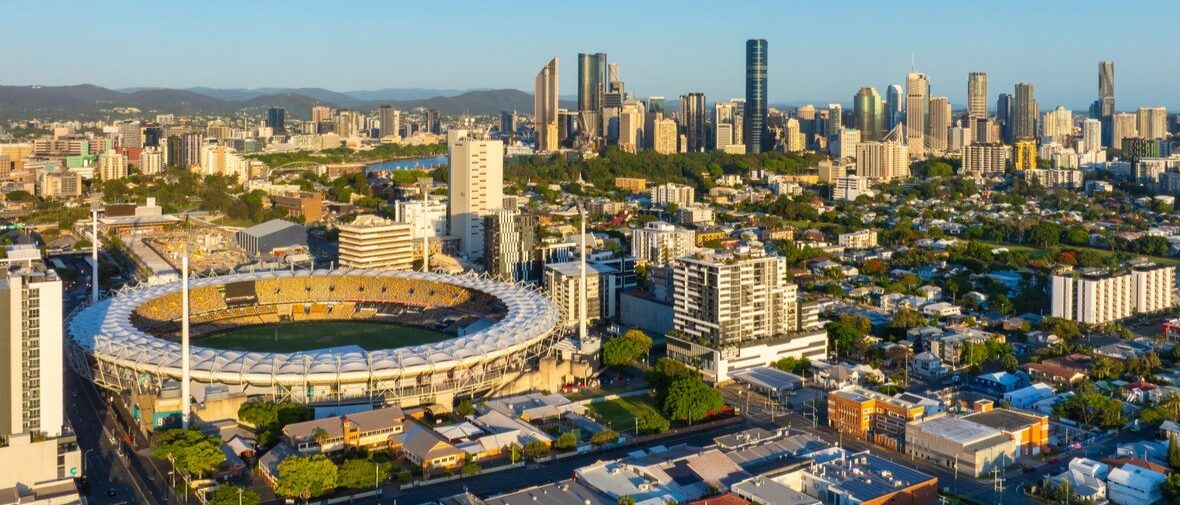
La Defense Arena, developed for Paris 2024, reminds us of the importance of diversified revenue streams for arenas to stack up financially. This is why Gabba Arena, Gold Coast Arena and Sunshine Coast Arena have chosen a Public Private Partnership (PPP) procurement model for delivery. These contracts, by integrating Operators in the procurement model, are structured to capitalise on projected revenue streams in legacy mode. I spoke more about this in an interview with The Urban Developer last week.
There’s also a need to challenge some persistent myths. Faster delivery doesn’t always mean higher cost – not if speed is designed in from the start through collaboration and sharing of risks between project parties, early works packages that reduce long lead times, weather tight construction methods that reduce impact and severity of weather delays, streamlining certification and inspection processors through early engagement with Regulatory Authorities and utilising third-party accessors to undertake preliminary assessments.
And while stadiums attract the headlines, the real risks often lie in the supporting infrastructure: transport, utilities, and enabling works that are complex, interdependent, and critical to Games delivery, as outlined in a recent article from my colleague Jack Shelley.
Brisbane 2032 is a once-in-a-generation opportunity to raise the bar on how we plan, scope, and deliver major venues. The Games will be judged not just by what’s ready on day one, but by the legacy they leave behind. Every dollar spent should work twice – once for the Games, and again for Queensland’s long-term growth.
The challenge is real. But so is the opportunity. Let’s make the most of it.