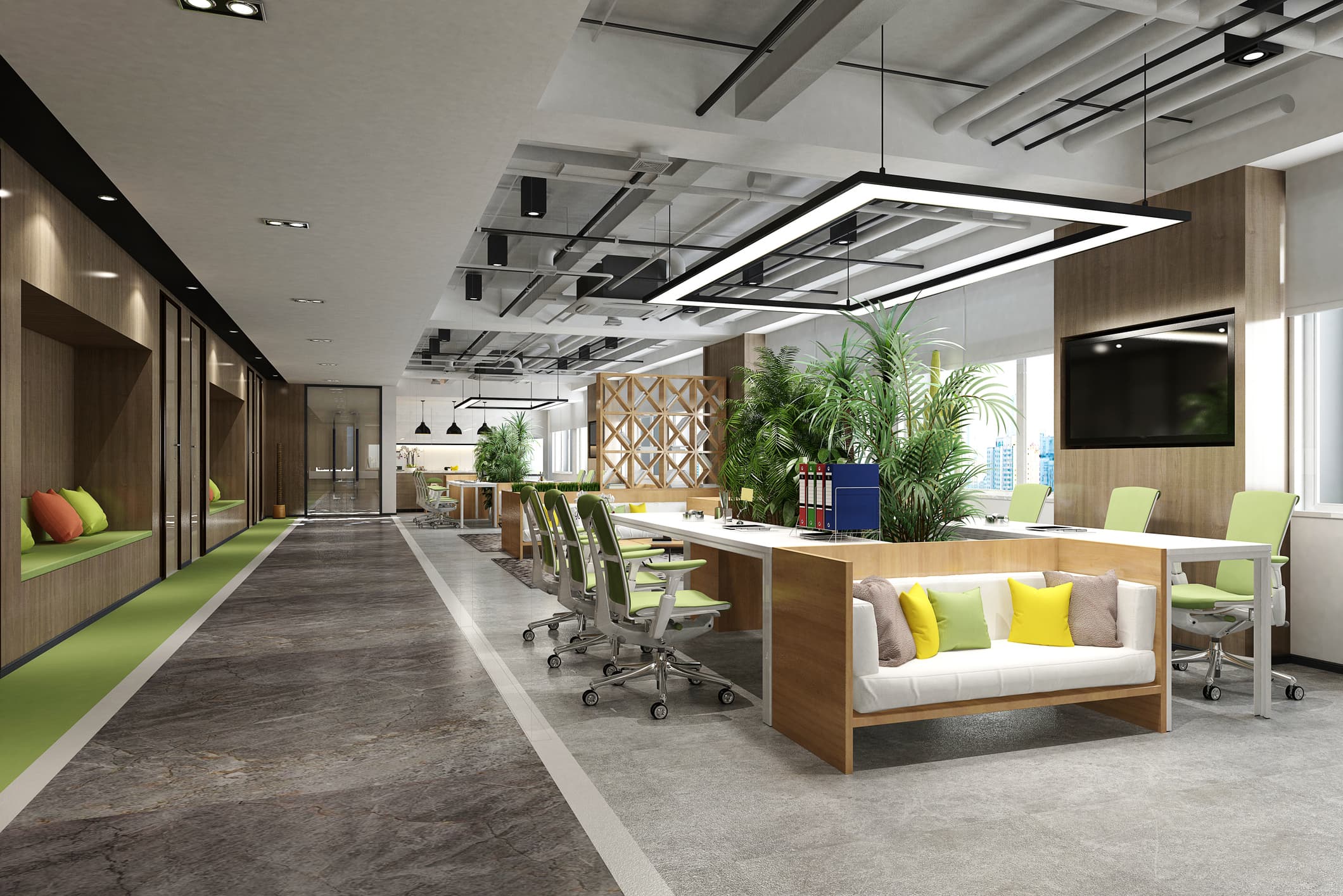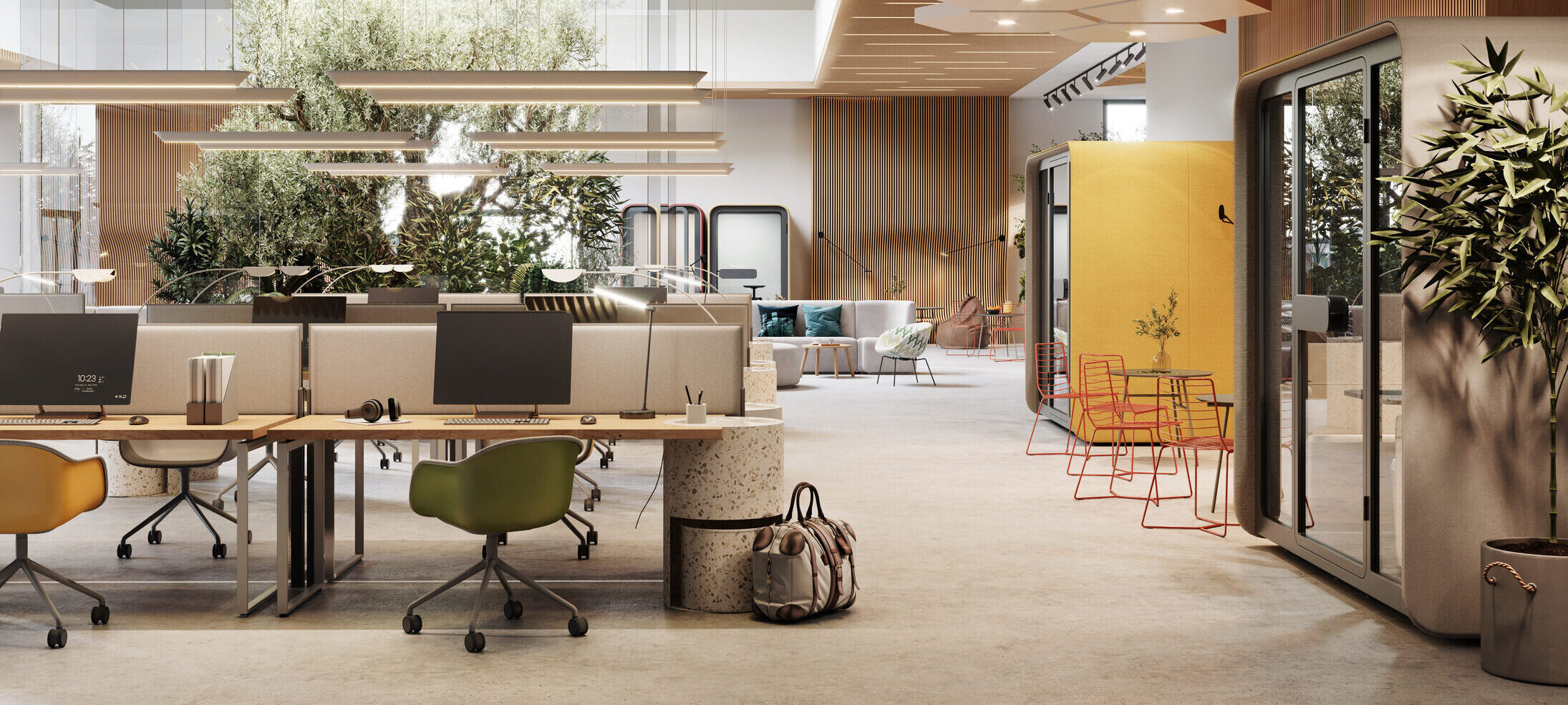
Workplace projects are under more scrutiny than ever.
The workplace sector has spent the past few years adapting to hybrid work, evolving employee expectations and changing space requirements. At the same time, organisations are facing continued pressure on capital expenditure, with every investment decision expected to demonstrate a clear return.
Against that backdrop, workplace fitouts are increasingly being viewed through a different lens. What was once largely a property decision is now a business decision.
WT’s latest Australian Construction Market Conditions Report shows that while cost escalation has moderated from the peaks experienced in recent years, workplace projects are still being delivered in a market where costs remain above long-term averages and specialist labour remains constrained. That reality is changing how occupiers approach workplace investment.
In my conversations with clients, the focus is no longer solely on how much a project costs. The bigger discussion is whether the workplace will support the way the organisation wants to operate over the next five to ten years.
The workplace hierarchy has changed
One of the most noticeable shifts in recent years is that organisations are often occupying less space while expecting more from it.
Workplaces are being asked to support collaboration, culture, flexibility, technology integration and employee experience, often within tighter commercial parameters.
This has changed the way projects are evaluated.
Historically, value management often centred on reducing cost or identifying savings during design. Today, clients are increasingly focused on how effectively the space performs once people move in.
That might mean investing more heavily in technology, workplace experience or flexibility. While those decisions can increase upfront expenditure, they often have a much greater influence on long-term outcomes than relatively modest savings achieved during procurement.
One of the risks I see is organisations focusing heavily on what can be removed from a project without spending enough time considering what drives value in the first place.
The risk of chasing savings
Whilst every project needs commercial discipline, not all savings are equal.
A decision that reduces upfront capital expenditure can sometimes introduce operational inefficiencies, reduce flexibility or create the need for significant modification a few years later. This is particularly relevant in workplace environments where organisational requirements can change quickly.
The projects that tend to perform best over time are not necessarily the ones delivered at the lowest cost. More often, they are the projects where investment has been directed towards the elements that support utilisation, adaptability and long-term functionality.
This is becoming increasingly important as organisations seek to make the office a destination rather than simply a place to work. The workplace is no longer competing against another office down the street. In many cases, it is competing against the employee’s home.
Most of the important decisions happen before design
A common theme across successful projects is the amount of effort invested before the design is substantially developed. Workplace strategy, utilisation analysis, stakeholder engagement and business requirements all influence outcomes long before design begins.
When those foundations are not clearly established, projects often experience redesign, scope changes and competing stakeholder expectations further down the track.
By then, decisions become more expensive and more difficult to reverse.
The most effective workplace projects establish a clear brief early and maintain alignment as the project progresses. This creates a stronger foundation for design, improves decision-making and reduces the likelihood of later surprises.
In the current market, certainty has become a valuable commodity.
Procurement is becoming a strategic exercise
Labour availability continues to be one of the biggest challenges facing workplace projects. While material supply chains have broadly stabilised, access to specialist trades remains a key consideration, particularly across major metropolitan markets.
What many clients underestimate is how quickly subcontractor capacity can tighten when larger sectors begin drawing resources away from fitout and interiors work. For that reason, procurement is becoming less transactional and more strategic.
Early engagement with head contractors and the broader supply chain can provide valuable insight into market capacity, programme risks and pricing pressures. It also helps project teams understand how delivery strategies are likely to be received before they go to market.
The projects achieving the strongest outcomes are often the ones that engage earlier, test assumptions and build procurement strategies around current market conditions rather than historic expectations.
Looking beyond cost
Perhaps the biggest shift occurring across the workplace sector is the way success is being measured. Cost and programme still remain extremely important, but they are no longer the only measures that matter.
Increasingly, organisations are looking at utilisation, employee experience, flexibility, sustainability and long-term performance when assessing workplace investment.
That is a positive shift.
The workplace is increasingly being viewed as a business asset rather than a property cost.
As market conditions remain challenging and expectations continue to evolve, the organisations that achieve the strongest outcomes will be those that align workplace strategy, commercial objectives and delivery planning from the outset.
The most successful workplace projects are rarely defined by what they cost to build. They are defined by how effectively they support the business once the doors open.
This article first appeared in Interior Fitout Magazine July – Steptember 2026.